
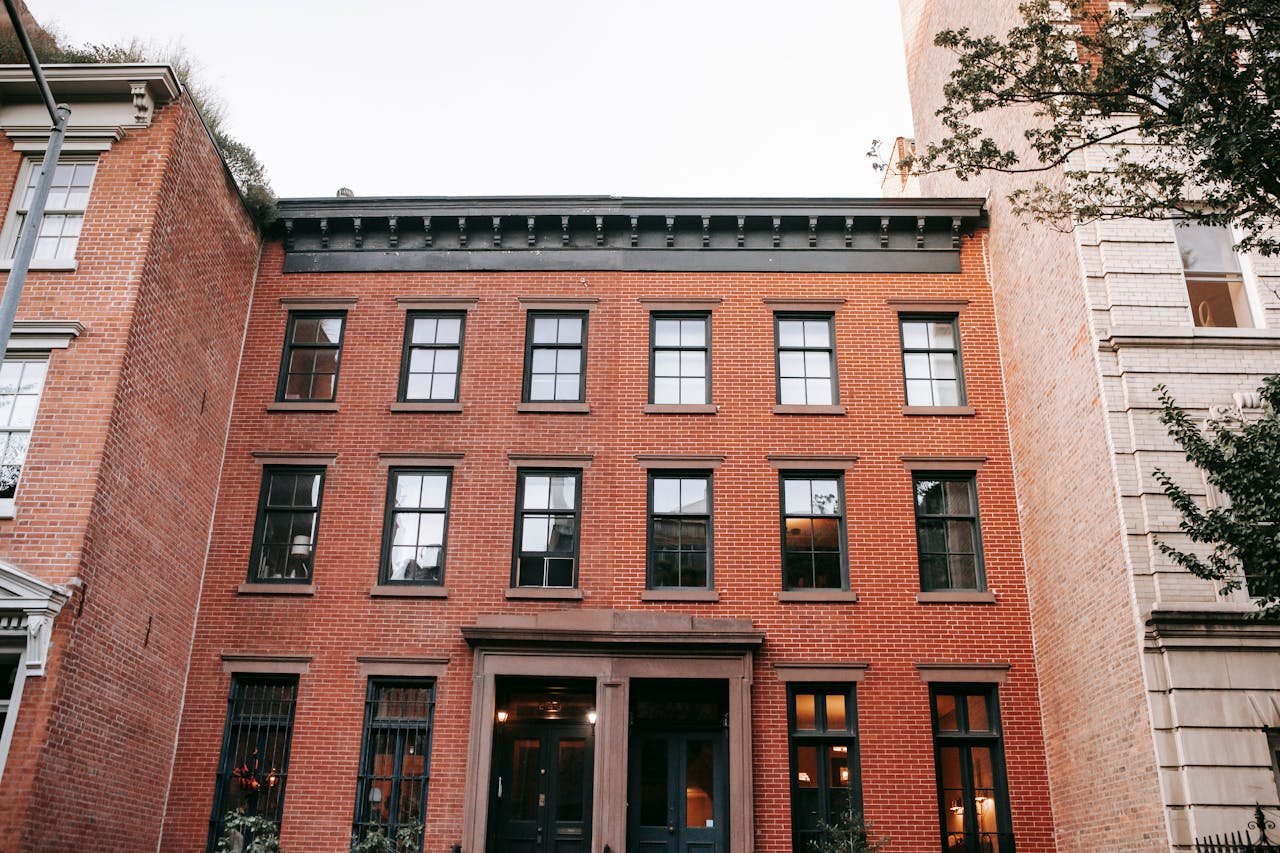
No matter what the type of brickwork is, every brickwork demands maintenance, repairs, and restorations to retain the design sophistication and enduring built quality. But every brickwork requires different types of pointing to perform the work with appropriate services. Brick pointing, tuck pointing, and spot pointing are some of the most common and most needed services, each serving a specific purpose, addressing both the functionality and appearance of masonry joints. Be it residential, commercial, historical, or modern property, if you know the game of pointing and method appropriateness, these services can save time, money, and future repairs. You can DIY spot pointing, but for brick and tuckpointing, hiring the professional masonry contractors who have deep-rooted knowledge is important.
If you want to know about these three services, we’ll provide an overview, differences, and protective guidelines of tuck, spot & brick pointing for your ease in understanding.
What is Brick Pointing?
Brick pointing is the process of repairing the mortar joints between bricks. The mortar can deteriorate due to weather, age, or structural movement as time passes, but here comes the brick pointing, which restores the resilience of masonry, acts as a barrier against water infiltration, and enhances the overall look of a building.
What is Tuck Pointing?
Tuck pointing is a specialized type of pointing used primarily for aesthetic purposes. This technique involves two layers of mortar: a colored mortar to match the bricks and a fine white or contrasting line on top. The result is a visually striking finish that highlights the precision of the brickwork.
What is Spot Pointing?
Spot pointing is a targeted repair method used for minor mortar deterioration. Instead of repointing an entire wall, only damaged or missing sections of mortar are replaced. Spot pointing is ideal for small repairs where large-scale repointing is unnecessary.
Comparative Analysis Between Brick, Tuck, and Spot Pointing
The following chart helps you determine the best differences between brick pointing, tuckpointing, and spot pointing. Let’s have a look:
| Attributes | Brick Pointing | Tuck Pointing | Spot Pointing |
|---|---|---|---|
| Function | Serve for masonry stabilization and defense. | Serve to enhance façade beauty and architectural refinement. | Serve to restore or repair the minor defects and flaws. |
| Application area | Complete coverage of the affected area | Overall decorative effect | Confined & targeted zone |
| Workmanship style | Scrape away old mortar and install new one. | Layered mortar application, i.e., base & finish | Spot treatments |
| Investment | Moderate to extensive, but it depends on the wall size | Higher pricing due to technical complexity | Low prices because of the small-scale work area |
| Project timeline | Fairly long | Longer process because of fine detailing | Rapid & time-efficient |
| Visual outcome | Integrates smoothly with existing mortar | Highlights line for design accent | Blends well but is subtly visible |
Guidelines to Select The Best Pointing Method

- Construction era: tuckpointing is best for Older buildings with historical significance that need to be preserved, while contemporary buildings may need brick pointing.
- Level of deterioration: If the damage is on a large scale, you may go for brick pointing, while minor localized damage can be repaired with spot pointing.
- Spending range: Tuck pointing is labor-intensive and costly, whereas spot pointing is the most cost-effective option.
- Aesthetic preferences: For a sharp, decorative finish, tuck pointing is preferred. For traditional, uniform repairs, brick or spot pointing works well.
- Surrounding environment: When the brickwork is affected by freeze-thaw cycles, brick pointing is the best method for long-term protection of your masonry.
FAQs
How long does brick pointing last?
Brick Pointing NYC guarantees our workmanship and makes sure your brick pointing lasts for 20-30 years, but it is totally up to the weather conditions and how you maintain it.
Can you apply tuck pointing over old mortar?
No! Brick Pointing NYC prefers to remove the old mortar first and apply new mortar base before tuck pointing to ensure adhesion and visual precision in every detail of the work.
Is spot pointing suitable for large walls?
No, it is not! Our spot pointing contractor in NYC advises you to go for brick pointing if the damage is widespread because spot pointing can only be done to small areas of damage.
How much does tuck pointing cost compared to brick pointing?
Tuck pointing is generally more expensive due to its precision and labor-intensive process, while brick pointing is moderately priced depending on wall size.
Can I DIY any of these methods?
Yes! You can DIY Spot pointing with the right tools, as it is the simplest. Otherwise, tuck pointing and brick pointing are best left to professionals for an accurate finish.