

Every building needs some pathways to evacuate in the time of an emergency, and that’s where the importance of fire escape arises. Fire Escape is the framework of metal and concrete, depending on your property type, which serves as the route to use in critical emergencies as the safest pathway. Fire escapes play an essential role in evacuating safely during fires or other emergencies. Hire professional Fire Escape installation contractors in NYC for maintenance tips, and make sure to avoid placing items that may obstruct movement. All the fire escapes constructed in NYC should align with Local Law 11 and the FDNY codes for proper implementation of the safety standards.
If you’re still wondering what a fire escape actually is, what its types are, and how it can be maintained? This blog will clear all your queries and confusions. Let’s have a detailed look at it:
Overview Of Fire Escapes
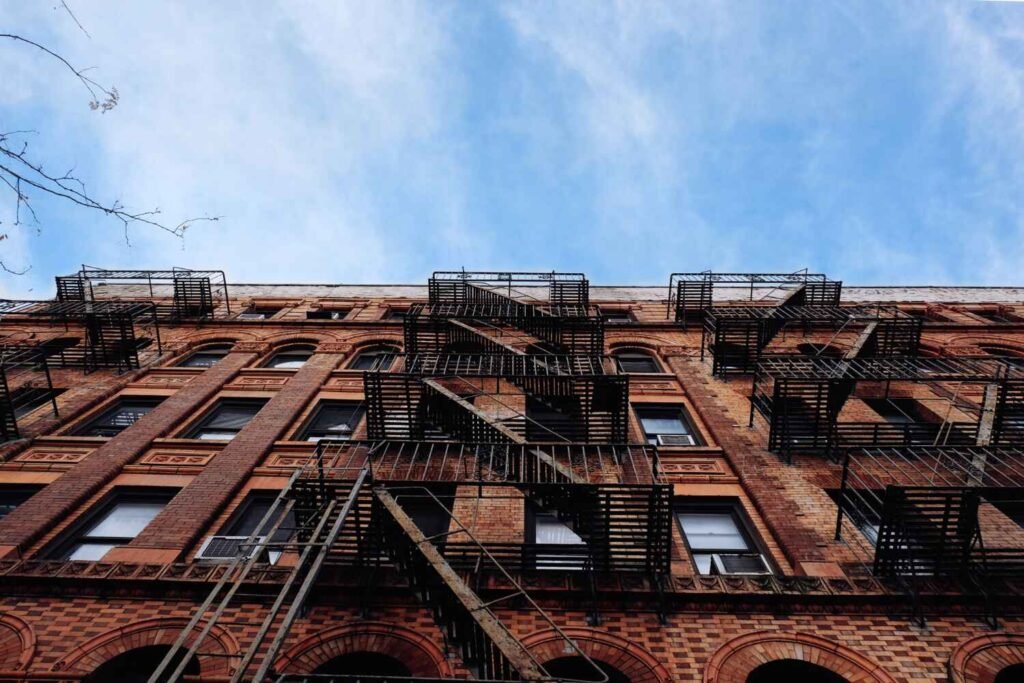
A fire escape is a specially designed route that provides a safe way for people to exit a building in case of emergency. Traditionally, fire escapes are external structures made of metal attached to the exterior of buildings. In modern buildings, they can also be internal staircases or protected corridors.
- Fire escapes are meant to deliver a safe exit during emergencies.
- Fire escapes avoid the risk of accidents during evacuation.
- Fire escapes meet the NYC local building and safety codes with Local Law 11.
- Fire escapes must be accessible to all age groups of people.
Common Types of Fire Escapes
There are several types of fire escape, but they can only be installed depending on building type, space availability, and safety requirements. The given table shows the most installed and common types of fire escape:
| Fire Escape Styles | Overview | Typical Application | Construction Material |
|---|---|---|---|
| External Fire Escapes | Installed on the outside wall of a building, providing a quick and reliable route during emergencies. | Older residential buildings and historic NYC districts. | Steel, Wrought Iron |
| Internal Fire Escapes | Constructed within the structure to maintain aesthetics and protect occupants from fire and smoke. | Modern commercial properties and high-rise buildings. | Concrete, Steel |
| Vertical Ladders | Compact ladder systems extending from windows or balconies, ideal for fast exits. | Low-rise buildings and secondary escape routes. | Steel, Aluminum |
| Fire Slides | Hidden or collapsible escape solutions that deploy quickly from upper floors in emergencies. | High-rise buildings and commercial complexes. | Metal, Fire-Resistant Polymers |
Why Fire Escapes Matter the Most?
Fire escapes are designed for safety purposes and to save lives, as they are considered life-saving structures. Here’s why fire escapes matter the most:
- Controlled evacuation: Offers a reliable method for exiting the building during a fire or emergency.
- Minimizes Confusion: Clearly marked routes reduce confusion during evacuation.
- Guards Occupants: Saves lives by offering an alternative exit if the main doors are blocked.
- Meet Regulations: Meets building codes and fire safety regulations.
- Policy Compliance: Many insurance providers require proper fire escape installation for coverage.
Key Components of a Fire Escape
The list below is the components of fire escapes, which ensure safe and efficient evacuation:
- Safety Ladders: The Main path for occupants to descend safely.
- Access Platforms: Rest areas between floors to prevent fatigue and accidents.
- Handrails: Provide support and prevent falls.
- Emergency Doors: Prevent the spread of fire into escape routes.
- Exit Signs: Guide occupants toward the exit, even in smoke-filled or dark areas.
Maintenance Tips For Fire Escapes
Maintaining your fire escapes can increase the effectiveness and reduce the risk of deficiencies during emergencies. Here are some key maintenance points for fore escape:
- Routine Checks: Conduct periodic inspections to inspect the structural damages and loose welds.
- Greasing hinges: Apply oil on hinges to make sure they move smoothly.
- Unobstructed routes: Eliminate all the debris and planters away from the routes.
- Surface Treatment: Paint and apply a water-repellent coating to protect metal components from corrosion.
- Operational Check: Practice the use of fire escapes to evacuate in emergencies.
Emergency Exit Safety Advice For Fire Escape:
Using the fire escapes with accuracy and precision is important, but you should know how to properly use them. Here are essential safety tips:
- Install the fire escapes at the most accessible location.
- Maintain all your pathways clear of clutter and blockages.
- Avoid overloading the stairs.
- Only fire escapes should be used and not the elevators or stairs during emergencies.
- Hold the fire evacuation drills very often.
Why You Need a Fire Escape?
Fire Escape proposes hundreds of advantages. Some of them are given below:
- Improved security: It enhances safety and minimizes the risk of death during emergency crises.
- Reassurance: It gives you peace of mind knowing that you have a secure evacuation route.
- Safety Compliance: It ensures your fire escapes meet local fire safety codes.
- Structure Safeguarding: It keeps your property structurally strong and limits destruction caused by panic.
FAQs
Are fire escapes required for all buildings?
Brick Pointing NYC installs fire escapes for all types of buildings, including residential, commercial, and industrial buildings, depending on local building codes.
Do you install fire escapes inside the building?
Absolutely! Brick Pointing NYC Install Good-quality fire-resistant fire escapes inside the building, mostly in modern buildings. They are often enclosed staircases made of fire-resistant materials.
How often should fire escapes be inspected?
Our fire escape contractor in NYC advises you to inspect your fire escapes at least every 6 months for safety and maintenance.
Do you make sure that fire escapes are safe during earthquakes or other emergencies?
Our constructed Fire escapes are designed to endure earthquakes and can be efficiently used in all other emergencies for safe evacuation while complying with safety standards.
Who is responsible for maintaining a fire escape?
Our fire escape maintenance and Inspection contractor in NYC is responsible for the maintenance of your fire escape, ensuring accessibility and 24/7 functionality.